
Having gum disease does not automatically mean you cannot receive dental implants. However, active periodontal disease may need to be treated before implant placement. Patients considering Dental implants in Harrison, NY, should have their gums and supporting bone evaluated to determine whether their mouth is healthy enough for treatment.
Addressing periodontal problems first can create a healthier environment for implant healing and long-term success.
Why Does Gum Health Matter for Dental Implants?
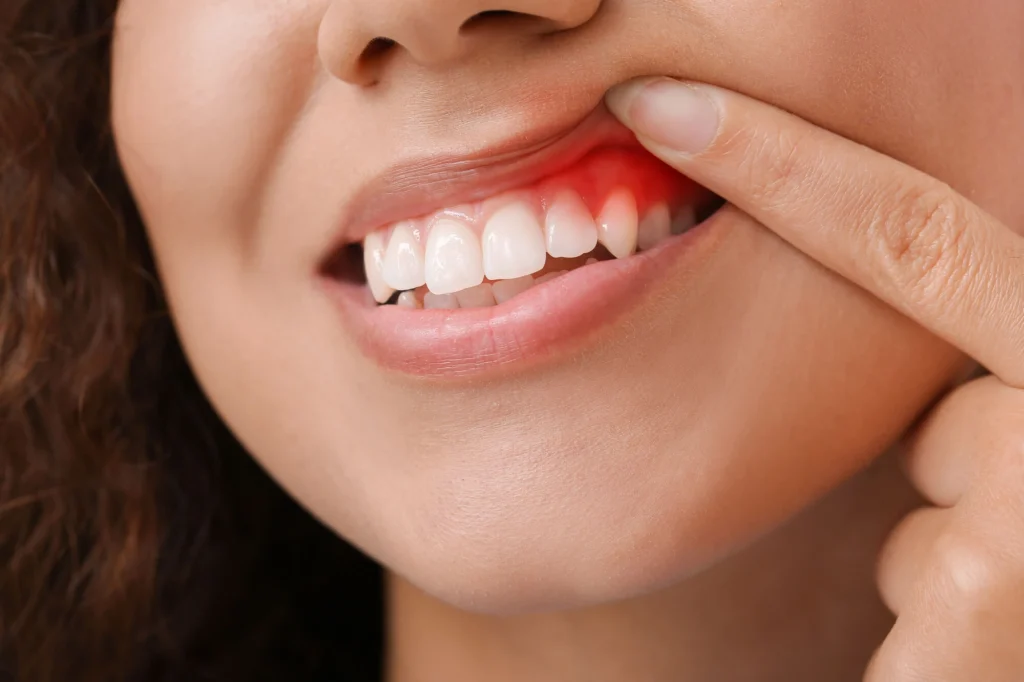
Dental implants depend on healthy gums and sufficient supporting bone to remain stable. Active gum disease can cause inflammation and damage the tissues and bone surrounding natural teeth, which may also affect the environment where an implant is placed. Treating periodontal disease before implant treatment can help reduce potential complications and support healthier tissues.
Can Gum Disease Cause Bone Loss?
Advanced gum disease can contribute to the loss of bone that supports the teeth. Because dental implants are anchored into the jawbone, adequate bone volume is an important consideration during treatment planning. If bone has been lost, your dental provider may recommend additional treatment before or as part of the implant process.
What Happens Before Implant Placement?
Before recommending an implant, your dentist will typically evaluate the condition of your teeth, gums, and jawbone. Imaging may also be used to assess bone levels and help determine the best location for implant placement. If active gum disease is present, periodontal treatment may be recommended before moving forward.
Can Gum Disease Be Treated Before Getting Implants?
Yes, periodontal treatment can help improve gum health before implant placement. The appropriate approach depends on the severity of the disease. It may include professional periodontal care and other treatments designed to control inflammation and protect the supporting tissues.
Your dental provider can develop a treatment plan based on your specific oral health needs.
Treating gum disease is not simply about preparing for the implant procedure. Maintaining healthy gums after treatment is also important, as the tissues surrounding an implant require ongoing care. Good oral hygiene and regular dental visits can help monitor the health of both implants and surrounding teeth.
What If I Already Have Gum Disease and Missing Teeth?
Patients with both tooth loss and periodontal disease may require a more comprehensive treatment plan. Your provider may first focus on controlling active gum disease and evaluating the amount of supporting bone available for implant placement. Once your oral health is stable, your provider can determine whether dental implants are an appropriate tooth-replacement option.
Factors that may be considered include:
- Severity of gum disease
- Amount of available jawbone
- Condition of surrounding teeth
- Overall oral hygiene
- Healing and health history
- Ability to maintain regular dental care
Frequently Asked Questions
Can You Get Implants with Mild Gum Disease?
Some patients may qualify for implants after their gum disease is properly managed. Still, an evaluation is necessary to determine whether treatment is appropriate.
Do You Need Healthy Gums for Dental Implants?
Healthy and stable gum tissues are important for creating a favorable environment for implant placement and long-term maintenance.
How Can I Protect My Implant After Treatment?
Consistent oral hygiene, regular dental visits, and following your provider’s maintenance recommendations can help protect your implant and surrounding tissues.
Schedule Your Appointment for Dental Implants in Harrison, NY
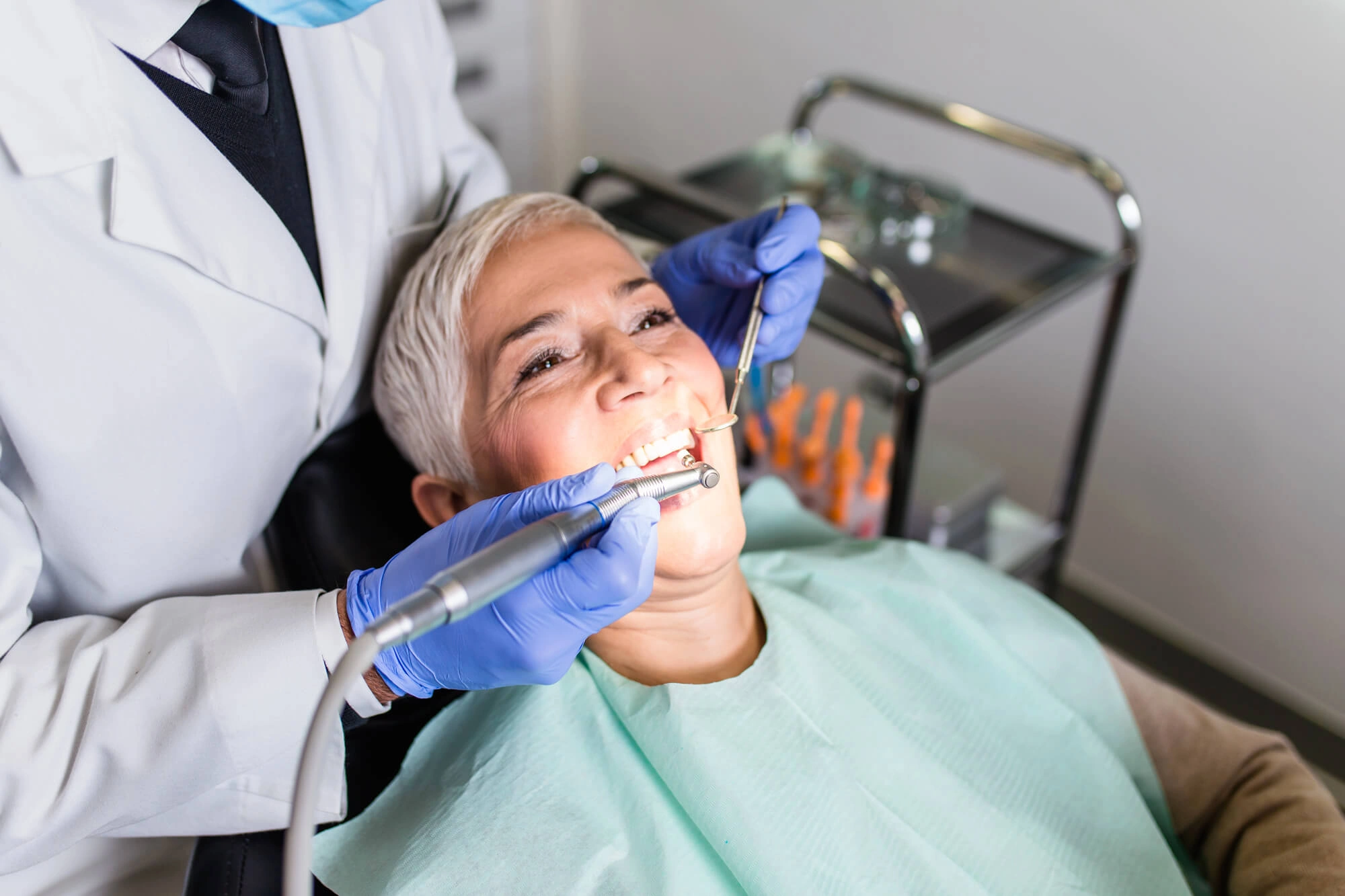
Gum disease does not necessarily rule out dental implants, but periodontal health should be carefully evaluated before treatment begins. Gentle Touch Dentistry can assess your oral health, discuss your tooth replacement goals, and explain whether additional periodontal care may be needed before implant treatment.
Schedule a consultation to determine the most appropriate approach for restoring your smile.
